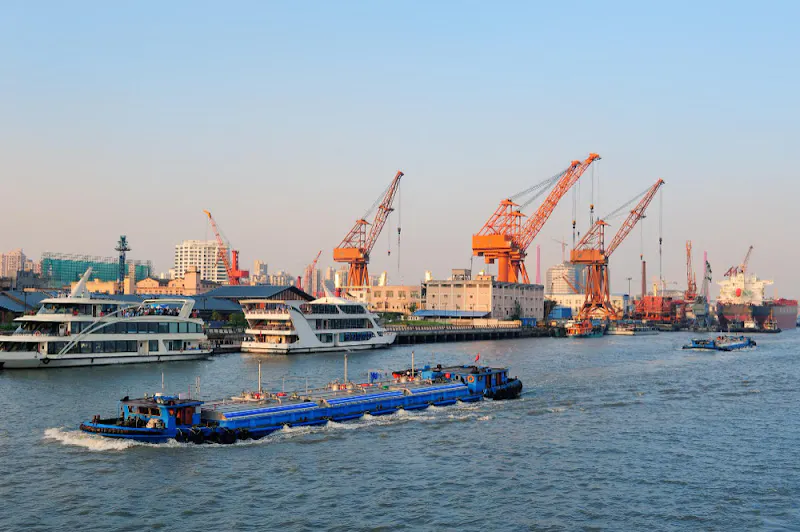

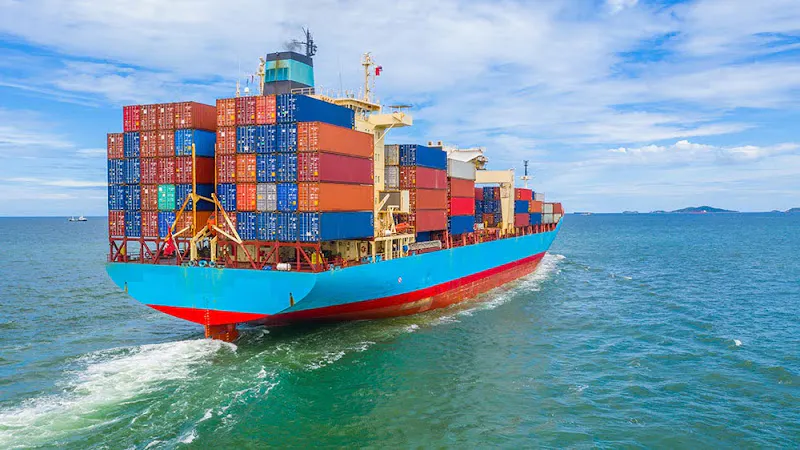
International trade relies on the safe movement of goods across oceans and inland waterways. Marine insurance provides the financial security needed to manage the risks of water transportation. This specialized coverage protects cargo, vessels, and legal liabilities against the unpredictable nature of the sea. Businesses involved in importing or exporting goods must understand these protections to safeguard investments.
Definition and Historical Origins
Marine insurance is a contract where an insurer agrees to indemnify a policyholder against losses incident to marine adventure. This coverage is the oldest form of insurance in the world. Modern practices began in London during the seventeenth century. Today, marine protection forms the backbone of global commerce. Over 90% of world trade moves by sea. Without this protection, a single shipwreck or pirate attack ruins a multi million Naira business.
In Nigeria, the Marine Insurance Act of 1961 governs these contracts. The law ensures all parties follow standard procedures for risk assessment and claim settlement. Every ship and cargo passing through Nigerian waters needs coverage to meet regulatory standards.
Core Categories of Marine Insurance
Marine insurance divides into specific types based on protection needs. Most providers offer two main branches.
Marine Cargo Insurance
This policy covers the goods or consignments being transported. This insurance protects importers and exporters from financial loss if items get damaged or lost. Coverage starts from the warehouse of origin and ends at the final destination. This "warehouse to warehouse" clause is vital for seamless logistics.
Marine Hull and Machinery
This coverage focuses on the vessel. The policy protects shipowners against physical damage to the ship body, engines, and onboard equipment. This coverage also handles third party liabilities if the ship causes damage to other vessels or port infrastructure.
Understanding the Institute Cargo Clauses
Cargo insurance uses standardized sets of terms known as Institute Cargo Clauses. These clauses define which events the policy covers.
Institute Cargo Clause A
This clause provides the widest form of coverage. This insurance covers all risks of loss or damage to the insured goods. Exceptions include willful misconduct or inherent vice in the goods. Professionals choose this option for high value electronics or fragile machinery.
Institute Cargo Clause C
This clause provides the most restrictive coverage. This insurance covers major accidents like fire, explosion, or the vessel grounding. This policy excludes theft or small scale damage. Businesses with robust, low value raw materials use this option to reduce premium costs.
Essential Components of Coverage
A professional marine policy includes several key protection areas. Look for these features in a plan:
- Perils of the sea: Coverage for storms, sinking, and collisions.
- Jettison: Compensation if the crew must throw cargo overboard to save the ship.
- Piracy and violent theft: Protection against sea robbers and hijackings.
- Fire and explosion: Coverage for accidental fires in the engine room or cargo hold.
- General Average: A legal principle where all cargo owners share the cost of a sacrifice made to save the entire vessel.
- Sue and Labor: Reimbursement for costs incurred while trying to minimize further loss after an accident.
Why NEM Insurance Leads the Maritime Sector
NEM Insurance Plc maintains a deep history in the Nigerian market dating back to 1948. The company established a presence as a branch of NEM General Insurance Association Limited of London in 1965. This international heritage provides NEM with unique expertise in maritime risks.
The company maintains a massive financial base. Total assets exceed 45 billion Naira. NEM paid over 50 billion Naira in claims between 2015 and 2022. This track record demonstrates an ability to settle large maritime losses promptly. NEM won the Almond General Business Insurance of the Year award for 2025. This recognition proves leadership and reliability in the industry.
NEM uses advanced technology to provide seamless access to marine certificates. Partnerships with international assistencia groups ensure you get support anywhere in the world. Choosing a market leader ensures insurance documents pass scrutiny at Nigerian ports and international borders.
Factors that Determine Marine Premiums
The cost of a policy depends on the level of risk involved in the journey. Insurers look at several data points:
- Nature of the Goods: Fragile glass or perishable food costs more to insure than steel rods.
- Packaging: Proper crating and containerization reduce the risk of handling damage.
- Voyage Route: Routes through areas with high piracy or extreme weather attract higher rates.
- Vessel Condition: Older ships or those with poor maintenance records increase premiums.
- Mode of Transport: Air freight is often safer than sea freight and has different pricing structures.
Always provide accurate descriptions of cargo. Misrepresentation leads to rejected claims and legal complications.
The Role of Marine Insurance in International Trade Terms
Marine insurance links directly to Incoterms like CIF (Cost, Insurance, and Freight). In a CIF contract, the seller must buy insurance for the goods during transit. In an FOB (Free On Board) contract, the buyer takes over the risk once the goods cross the ship rail.
Understanding these terms ensures you know exactly when responsibility begins. Failing to have coverage at the right moment leaves a business exposed to total loss. Banks also require marine insurance before issuing a Letter of Credit. This requirement makes insurance a functional tool for global financing.
Steps to File a Maritime Claim
Filing a claim requires speed and documentation. Follow this process if cargo arrives damaged:
- Notify the insurer immediately: Most policies require notice within 24 hours of discovering the loss.
- Appoint a surveyor: The insurer sends a professional to inspect the damage and estimate the cost.
- Protect the cargo: Take steps to prevent further damage, such as moving goods to a dry warehouse.
- Collect documents: You need the original policy, the Bill of Lading, and the commercial invoice.
- Get a protest letter: Have the ship master or carrier issue a formal statement about the incident.
Straightforward claims settle in a few days. Complex cases involving salvage or total vessel loss take longer for verification. Honesty during this process is critical for a successful payout.
Secure Your Business Interests Today
Maritime trade involves enormous financial risks. A single storm or technical failure destroys an entire year of profits. Marine insurance is the only way to move goods with confidence. Professional plans from NEM Insurance meet all legal and trade requirements for Nigeria and beyond.
The process is fast and efficient. You get a quote and receive a certificate in minutes through the digital portal. Protect cargo and ensure the business keeps moving forward. Review the NEM marine insurance service and secure the next shipment today.
Final Preparation Strategy for Importers
Obtaining marine insurance is a critical step in a supply chain. Financial protection ensures you handle emergencies without losing capital. Start the application process before the goods leave the factory. Early planning prevents coverage gaps during the loading and transit phases. Logistics managers must treat insurance as a primary component of the procurement cycle.
Use this checklist for the next shipment:
- Confirm the policy start date matches the loading date.
- Verify the policy covers the specific route and transshipment points.
- Ensure the sum insured covers the full commercial value plus 10% for freight.
- Keep the emergency contact details of the insurer in business files.
- Double check that packaging meets international shipping standards.
- Inspect containers for damage before loading begins.
- Review the carrier safety ratings and historical performance.
Safe trade begins with a solid risk management plan. Protecting assets allows for a sustainable business model. Choose a provider with a proven history of paying maritime claims. This choice ensures an investment remains secure regardless of the perils of the sea. Secure trade interests now by visiting the NEM marine insurance portal to complete an application. Protect the next shipment today.